
Army Big 6 Gets $10B More Over 2021-2025
Undersecretary Ryan McCarthy says the service's new five-year budget plan will be finished within weeks.
Undersecretary Ryan McCarthy says the service's new five-year budget plan will be finished within weeks.

While Congress wrestles with CH-47 cuts, Army leaders are already looking ahead to hard decisions on high tech.


Avoiding vendor lock and providing more room for sensors and upgrades are critical considerations.

A light scout and a mid-size transport remain Army aviation’s top two priorities, Secretary Mark Esper said, but industry needs to start thinking about the next heavy-lift aircraft and stop fighting against cuts to the venerable CH-47.
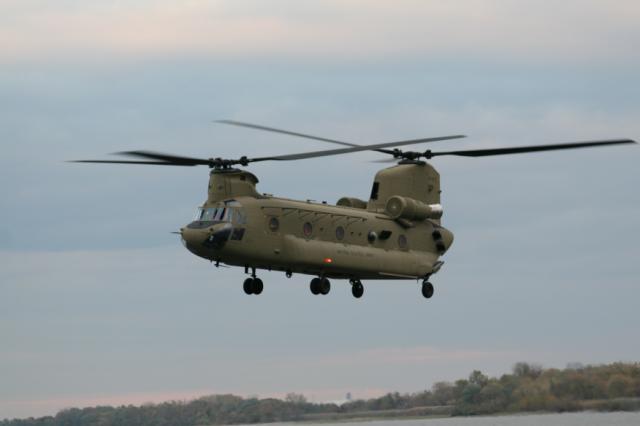
The Army wants to keep its options open on upgrading its heaviest cargo helicopter. Boeing is worried the window of opportunity -- and its factory -- will close before the Army makes up its mind.

Is the Army doing enough to sell Congress on its five-year, $57 billion modernization plan? And does that long-term effort require a long-term leader?

The Army's not sure it wants 55,000 JLTVs -- but manufacturer Oshkosh is doubling down. Why?


A decorated combat aviator and biotech CEO advocates preparing for novel viral threats before the next crisis.
To take out Russian and Chinese targets from a thousand miles away, the US Army wants two very different weapons: a hypersonic missile and a giant cannon.

All told, the Army's investing $57 billion in modernization over five years -- but it wants to take time to test new technologies before it commits to them.

Good news: That's more money than the Army thought it could get for its top priorities. Bad news: We won't see most of it this year.

An inside source explains the logic behind the 2020 budget's most controversial call.


Architecture that linked sensors, C2, RF effects, and lasers into a distributed c-UAS kill chain.

Warships sink. Bases burn. F-35s die on the runway. Can $24 billion a year -- 3.3 % of the Pentagon budget -- fix the problem?
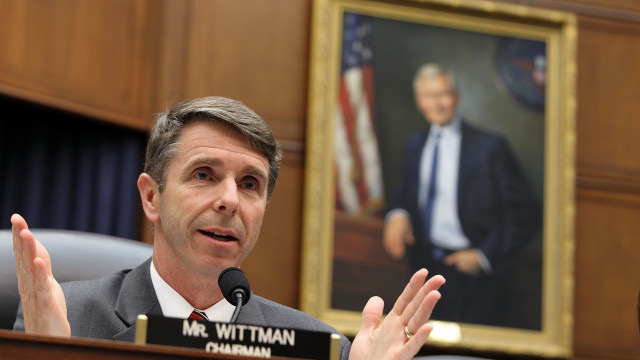
What does one of the most influential defense lawmakers on the Hill, Rob Wittman, think about the Trump Administration plan to cut the number of aircraft carriers from 11 to 10?
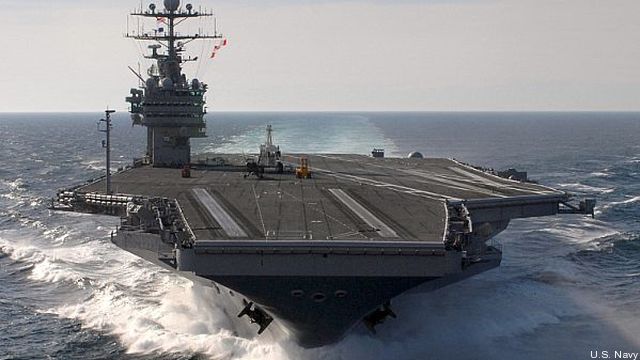
The move could save more than $30 billion over 25 years to invest in high-tech weapons -- but Congress is sure to explode in outrage.

That's $6 billion more than previously announced -- but it all comes at the cost of almost 200 cut, cancelled, or slowed-down programs, each with backers in Congress.